
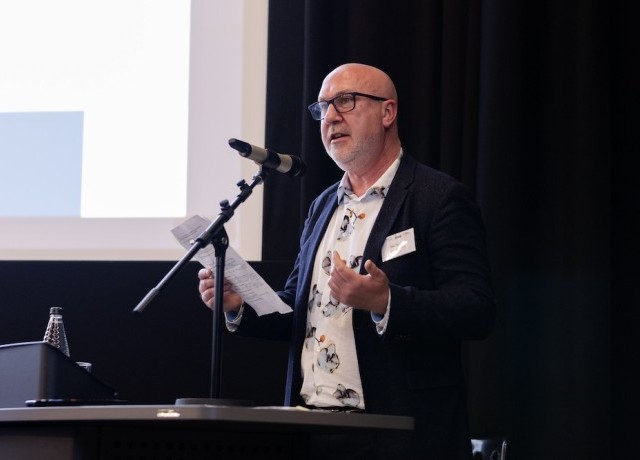
HCD chair to bring healthy city and regeneration expertise to university governing role
Chair of Healthy City Design Max Farrell has been appointed to the Council of Newcastle University for a three-year term, bringing his experience of healthy cities, urban regeneration, investment and public policy to support the University’s aims and ambitions.
Approaching its 200th anniversary, Newcastle is one of the UK’s historic civic and research universities with 27,000 students, 6400 staff and an international reputation for education, research and innovation. This month, along with Newcastle City Council, the University signed the Poitiers–Granada Declaration – a new European declaration reinforcing the University’s role in driving innovation, opportunity and positive change across the city and region.
Farrell’s appointment sees him join the Council – the University’s governing body – which oversees the institution’s long-term direction, finances, performance and public responsibilities, providing support and constructive challenge to the vice-chancellor and senior leadership team.
While recognising the challenging environment in which universities are currently operating, Farrell is keen to emphasise the myriad positives that universities bring to their local and wider communities.
“At a time when politics can be volatile and fragmented, they provide continuity, stability and a long-term commitment to people and place,” says Farrell. “Newcastle University’s vision ‘From Newcastle. For the world’ combines academic excellence and global ambition with a deep responsibility to the city and region. I’m particularly interested in its role as an anchor institution and its contribution to social impact, public health, inclusive economic growth and social justice.”
This ambition closely reflects the work of the Healthy City Design Congress, which brings together research, policy and practice to examine how places can improve health and wellbeing. Newcastle University’s strengths in public health, health inequalities and ageing, together with its partnerships with the NHS and civic institutions, give the appointment particular relevance to the Congress community.
“The greatest health challenges cannot be addressed by the health service alone. They require universities, civic leaders, communities and the built environment sector to work together, putting prevention and wellbeing at the heart of decisions about place.”


Farrell is keen to help connect research, skills and innovation with regional priorities, making the most of the University’s prominent central location and integrating the campus more fully with the city itself. He also sees significant potential to connect the University’s expertise with the wider healthy city agenda, including the role of housing, neighbourhoods, transport, green space and social infrastructure in improving health and reducing inequalities.
“I hope to support stronger collaboration with the North East Mayoral Strategic Authority, Newcastle City Council, other universities, the NHS, local communities and the private sector,” he says. “The greatest health challenges cannot be addressed by the health service alone. They require universities, civic leaders, communities and the built environment sector to work together, putting prevention and wellbeing at the heart of decisions about place.”
He is also looking forward to working with the Council’s chair, Pat Ritchie CBE, former CEO of Newcastle City Council and current chair of Homes England, as well as the other Council members.
Reflecting on the personal significance of his appointment, he says: “My dad, Sir Terry Farrell, grew up in Newcastle, studied architecture at the University and had a lifelong connection to the city. His work included the Newcastle Quayside masterplan, the International Centre for Life, the Great North Museum: Hancock, and the Newcastle University masterplan.
“There are early discussions about a major exhibition at the Farrell Centre exploring my dad’s life, work and legacy through the archive he gifted to the University. As chair of the Healthy City Design Congress, I also hope we can bring the Congress to Newcastle in the future, connecting its international network with the city and region’s leadership in public health, healthy ageing, research and innovation.”
“I’m very grateful for the opportunity and look forward to making a positive contribution to the University, the city and the wider North East.”
Event news

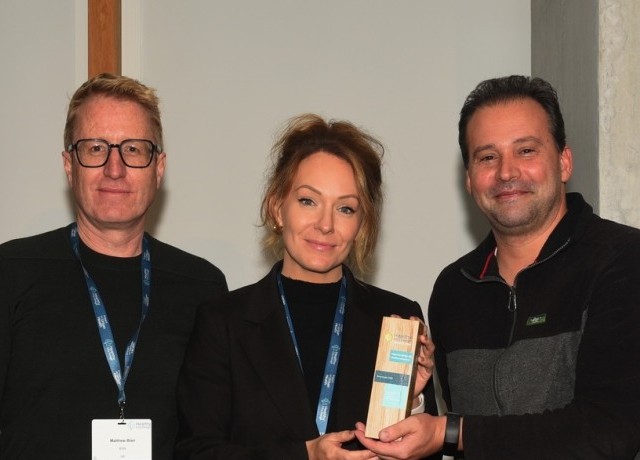

Actions to improve urban renewal and health equity
2nd September 2024
A vision for Liverpool: Putting people’s health first
2nd September 2024
Investing in urban renewal and health equity
21st March 2024
Health equity: Marmot Cities
20th March 2024