Beautiful, inclusive, sustainable neighbourhoods: Obvious, yet so hard to achieve
Several cities around the world have already enacted policies to reduce reliance on cars – but turning these into real, concerted action is a whole other matter, especially when seen as politically controversial.
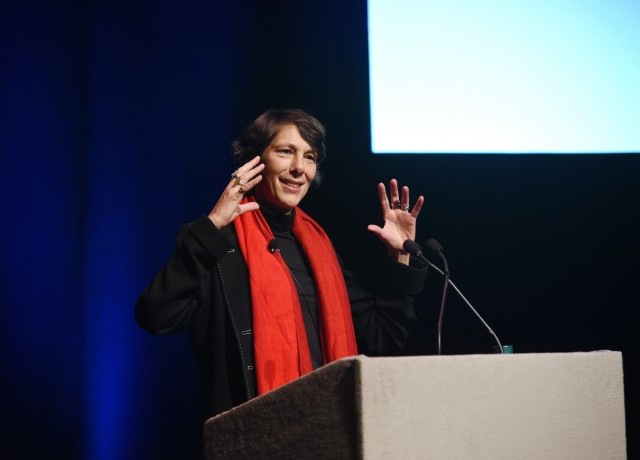
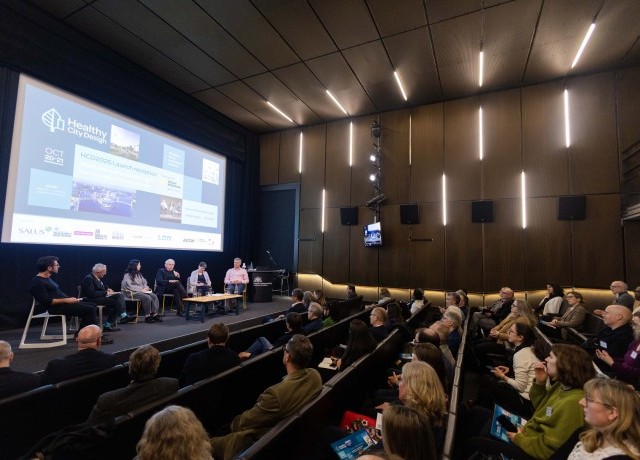
So said Audrey de Nazelle, an associate professor at Imperial College London, during her keynote address at Healthy City Design 2026.
She identified three connected areas requiring attention: institutions, politics and the evidence used to inform decisions. Better collaboration mattered, but so did recognising the interests and cultural assumptions that sustained existing transport systems.
Fragmented decision-making, she argued, encouraged cities to treat related problems separately. Road safety teams installed railings, health programmes promoted exercise, climate policies encouraged electric vehicles, and urban greening projects sought space on walls and roofs.
Reducing the space devoted to cars could address several of those challenges together, opening opportunities for walking, cycling, planting and social interaction.
De Nazelle described modelling studies examining the health effects of alternative transport policies. Replacing conventional vehicles with electric ones could bring benefits through lower air pollution, but shifting journeys towards walking, cycling and public transport could deliver additional gains through physical activity.
Reallocating parking space to greenery could also support cooling, biodiversity and stormwater management, with opportunities to address inequalities if schemes were planned carefully.
Such evidence, she suggested, could help different departments recognise shared objectives and build alliances around health, sustainability and equity. However, she also warned that collaboration was not automatically effective. Networks could blur responsibility, while formal arrangements risked adding administrative work without securing action.
Health needed to become an explicit goal, supported by clear responsibilities, targets and monitoring, rather than simply another argument used to promote a scheme.
Ultimately, de Nazelle said, politicians needed to make ambitious decisions, including potentially controversial choices to reduce traffic.
Presenters

Event news

From hyperturbulence to hope: Creating a healthy society
11th November 2026
The road to 2027: The next Healthy City Design destination
11th November 2026
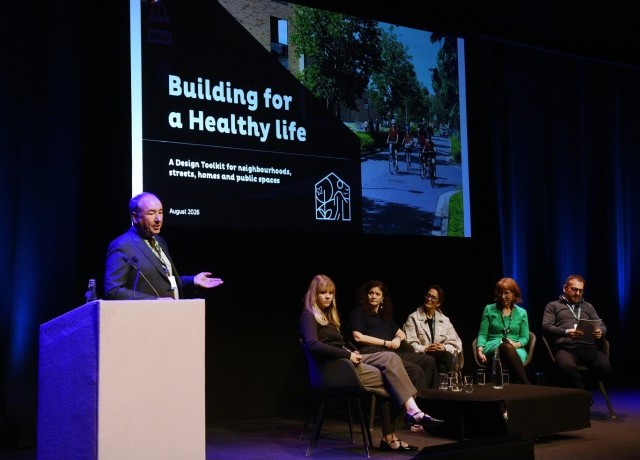
Building for a healthy life: Simple principles for better places
11th November 2026
Roadkill: Unveiling the true cost of our toxic relationship with cars
19th November 2025